
Sumo Culture– tax –
The salt, the belt, the stables, and where the formalities come from.
-

Female Sumo Wrestlers: The Amateur Sport and the Pro Ban
Female sumo wrestlers exist, more than 600 in Japan alone by an Associated Press count in 2025, but none of them can fight in professional sumo. Female sumo is an amateur sport with its own national championships in Japan, its own weight... -
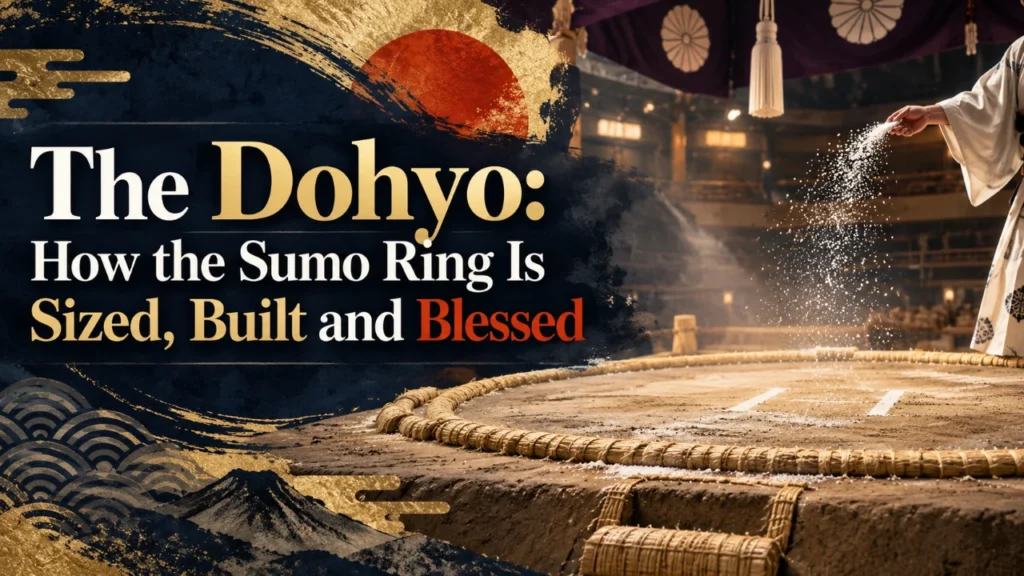
The Dohyo: How the Sumo Ring Is Sized, Built and Blessed
The dohyo ring is the raised square of packed clay that the ring sumo wrestlers fight in, with a circle of straw bales set into its top. The word is written with two characters, do for earth and hyo for straw bale, and that is exactly wh... -
Gyoji, Yobidashi and Shimpan: Sumo’s Referee and Judges
Watch a sumo bout and you will see far more than two wrestlers. A man in a silk court robe stands between them holding a fan. Five men in black kimono sit on cushions around the clay. A man in a plain cotton jacket sweeps the ring betwee... -
Sumo Stables (Heya): All 45, Who Runs Them, How to Visit
A sumo stable — heya in Japanese — is the house a professional wrestler lives in, trains in and belongs to for his whole career. It is also the only way into the sport: there is no application form at the Japan Sumo Association, and no t... -
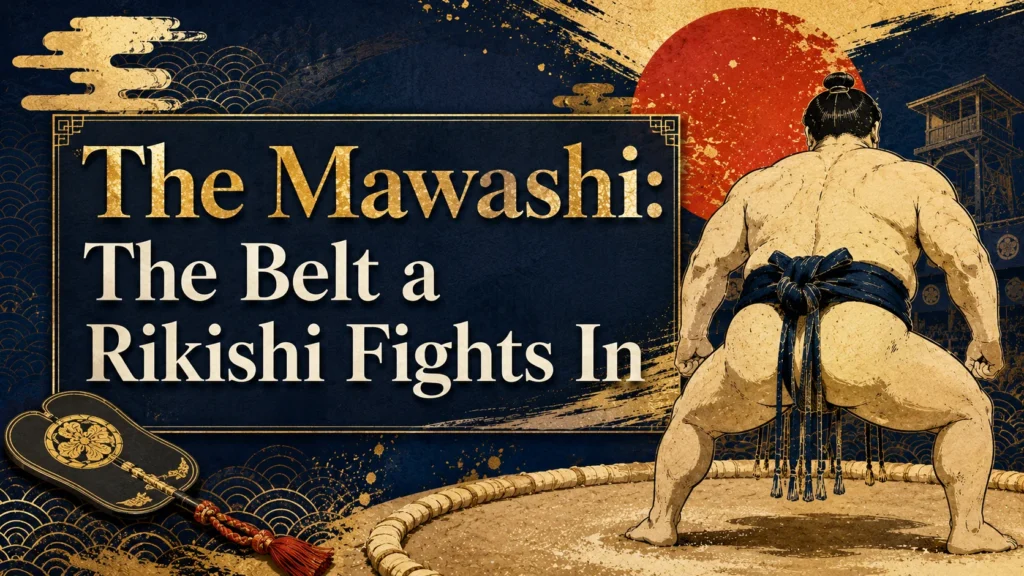
The Mawashi: The Belt a Rikishi Fights In
A mawashi is the belt a sumo wrestler fights in, and in professional sumo it is the only thing he wears in the ring. It is a single length of heavy cloth — silk for the two salaried divisions, cotton for everyone below them — folded leng...



1